
Hammock Camping at -30°C – Testing the Limits
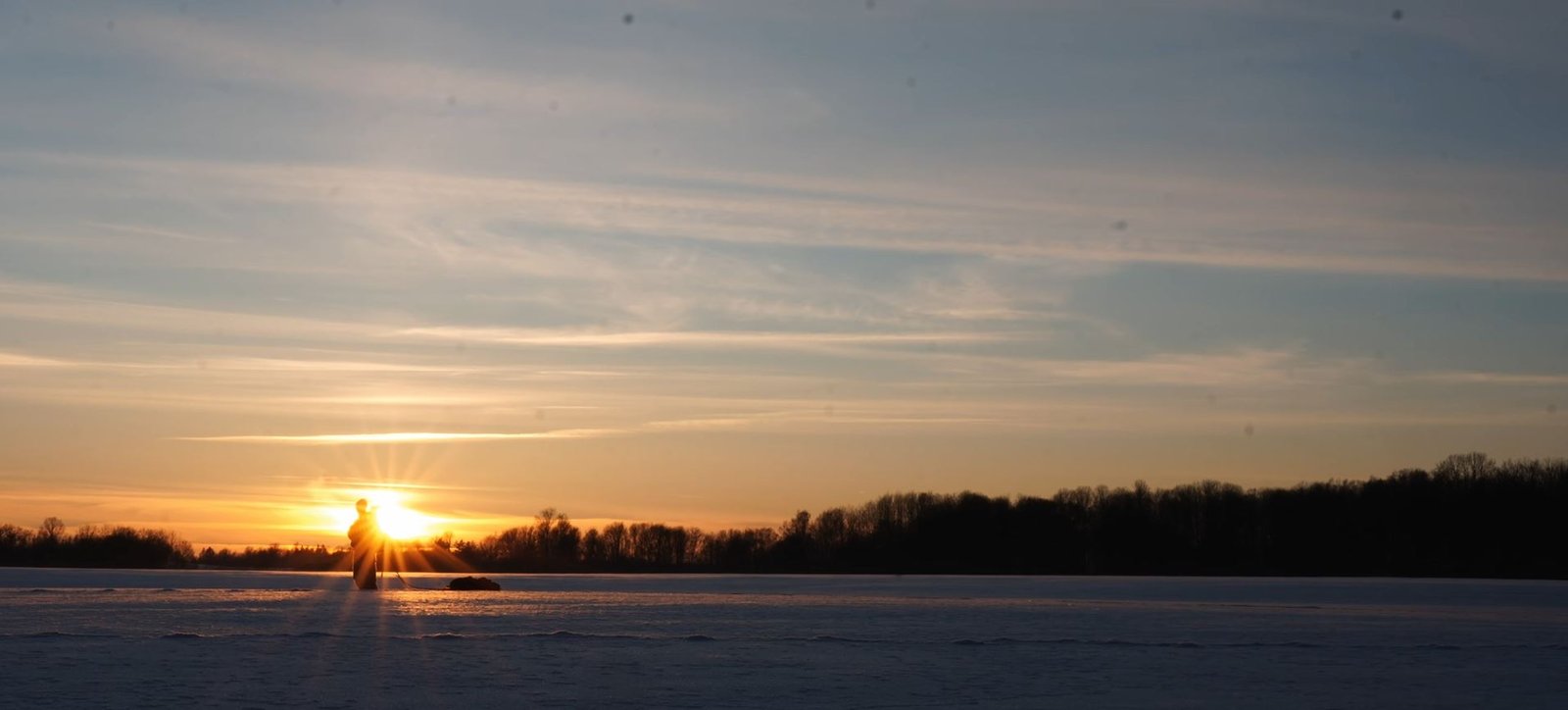
This winter brought the coldest temperatures recorded in 15 years. When the forecast dropped below -30°C, I decided to test my system properly. This was a real hammock camping at -30°C experiment — not theory, not simulation.
I had never slept outside in such temperatures before. If I design gear for serious winter use, I need to experience extreme cold firsthand.
The plan was simple: layer insulation properly, eliminate compression, and see what actually works in extreme cold hammock camping.
Watch the Full -30°C Overnight Test
Below is the full cinematic bushcraft video from that night.
The video is in Lithuanian, but it clearly shows the full setup and real conditions.
Full -30°C Hammock Camping Setup
Hammock
I used the Gilis modular hammock with top cover:
https://needfortrees.lt/product/camping-hammock-with-bug-net/
The top cover played a major role in heat retention during this hammock camping at -30°C test.
Suspension
Infinity Straps:
https://needfortrees.lt/product/hammock-suspension/
Simple, secure, reliable.
Winter Tarp
Shaltis 13 ft tarp with doors:
https://needfortrees.lt/product/tarp-with-door-shaltis/
The tarp was pitched near a river in a small open forest. There were cliffs nearby that blocked most wind. Only a soft breeze during the night.
Tarp weight: 480 g
Stakes (8 × 12 g): 96 g
Ridgeline rope: ~50 g
Insulation System – Layered for Extreme Cold
Total insulation weight: ~6 kg
Transported using a fishing sled.
This was not ultralight. This was performance-focused.
Underquilts (from inner to outer)
- Down underquilt (-3°C comfort, upcoming model)
- APEX 133 asym underquilt
https://needfortrees.lt/product/asymmetrical-hammock-underquilt/ - APEX 133 asym underquilt
- APEX 100 full underquilt
- APEX 133 full underquilt
https://needfortrees.lt/product/hammock-underquilt-thermaclew/
No underquilt protectors were used.
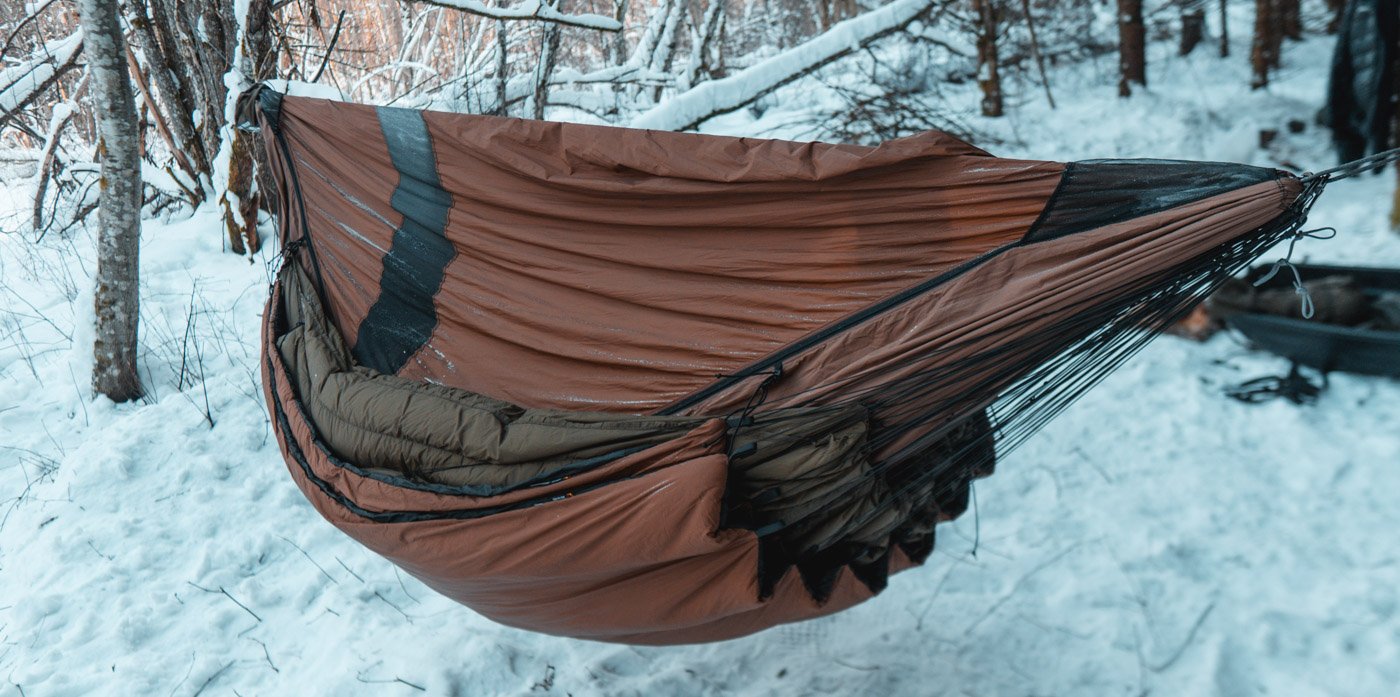
To prevent compression, I built a small paracord rig with three loops. This allowed the outer quilts to hang a few centimeters lower so every layer could loft fully.
Clew suspension kept all quilts tensioned evenly and eliminated cold gaps. Without proper tensioning, this system would fail in hammock camping at -30°C conditions.
Top Insulation
- APEX 200 top quilt
- APEX 133 top quilt
- Carinthia Defence 4 sleeping bag (fully open)
Primary top insulation:
Stormshield Top Quilt
https://needfortrees.lt/product/top-quilt-stormshield/
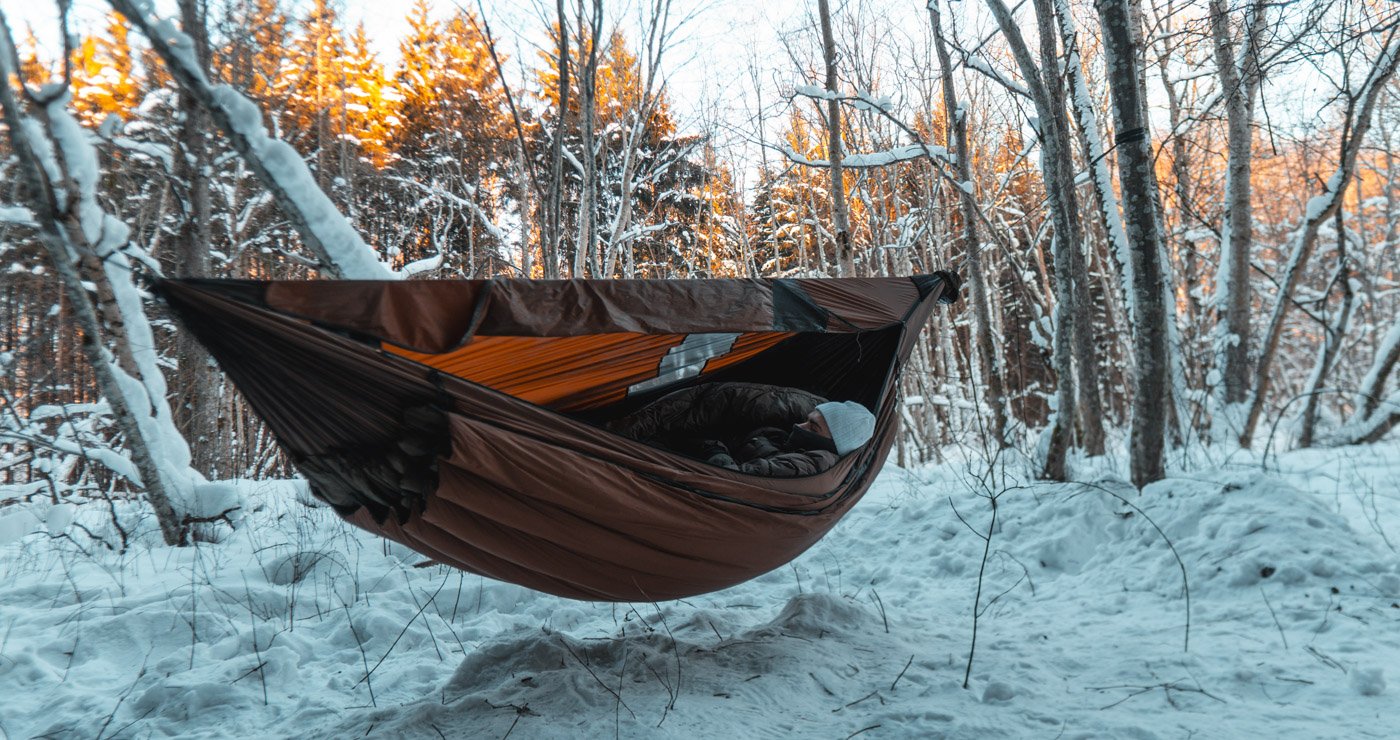
I kept the Carinthia bag fully open. I essentially slept under layered top quilts.
Total Setup Weight
The complete -30°C hammock camping system weighed approximately 7.4 kg.
Breakdown:
- ~6 kg insulation
- Gilis with top cover – 650 g
- Shaltis tarp – 480 g
- Stakes + rope – ~146 g
- Infinity Straps – 120 g
This was a thermal experiment, not a lightweight challenge.
Before Going to Sleep
Preparation matters in extreme cold hammock camping.
- Large meal before bed
- Hot Nalgene bottle inside insulation
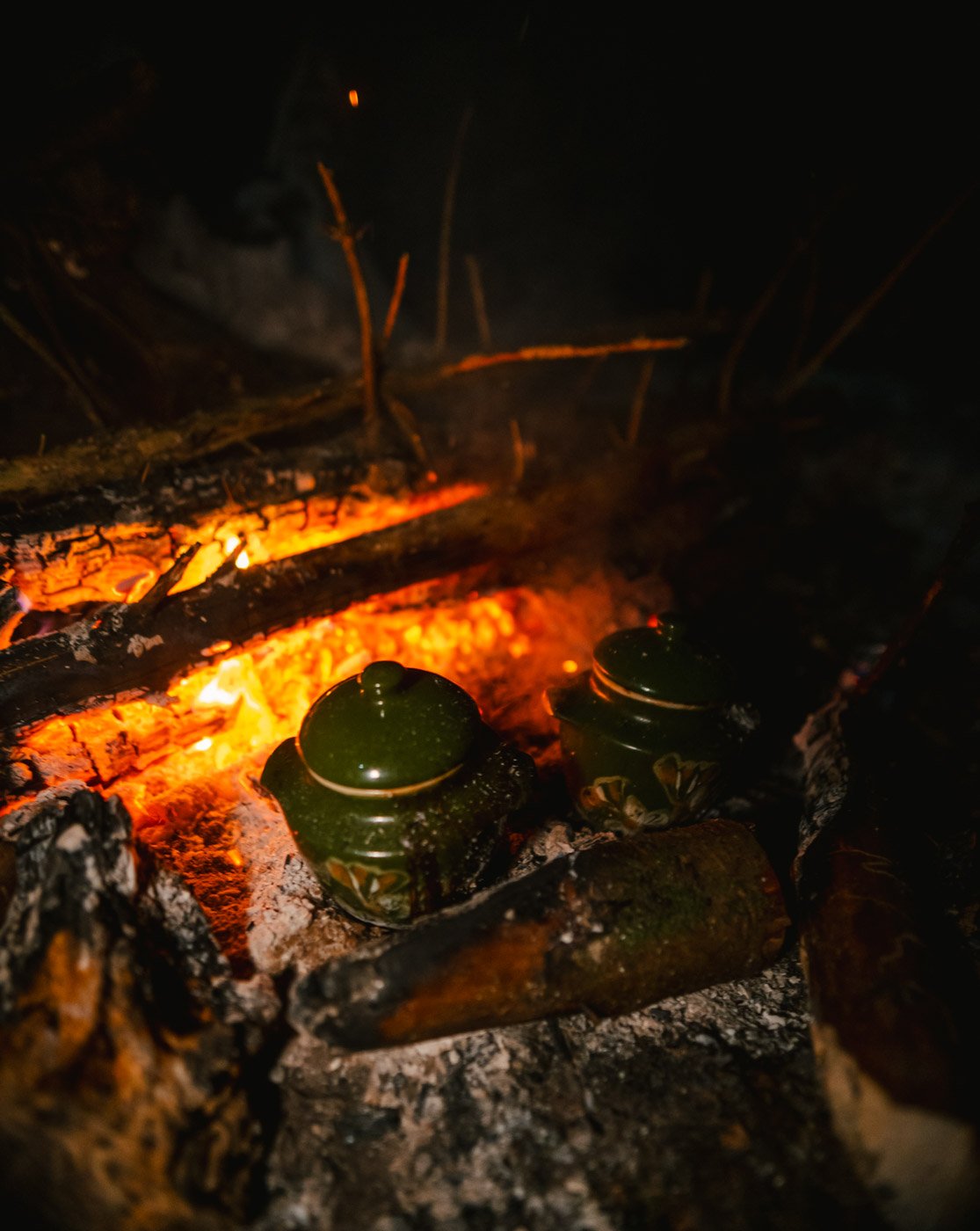
- Active time by the fire before sleeping
Entering the hammock felt brutal due to cold air exposure.
Inside, everything changed quickly.
The hot water bottle stabilized warmth fast. Within minutes, the system felt controlled.
The Night at -28.5°C
Lowest recorded temperature: -28.5°C
Morning temperature nearby: -33°C
Sleep duration: ~10 hours
Back insulation performance: perfect.
Zero cold spots.
No pressure points.
At one point, I woke up because I was overheating.
I stepped outside briefly. Steam was rising visibly from my hands and legs. After cooling down, I returned and slept comfortably again.
Face Exposure – The Only Weak Point
My nose was getting very cold.
Solution: I placed a jacket over my face and created a small breathing tunnel. That solved the issue immediately.
Top Cover Performance & Condensation
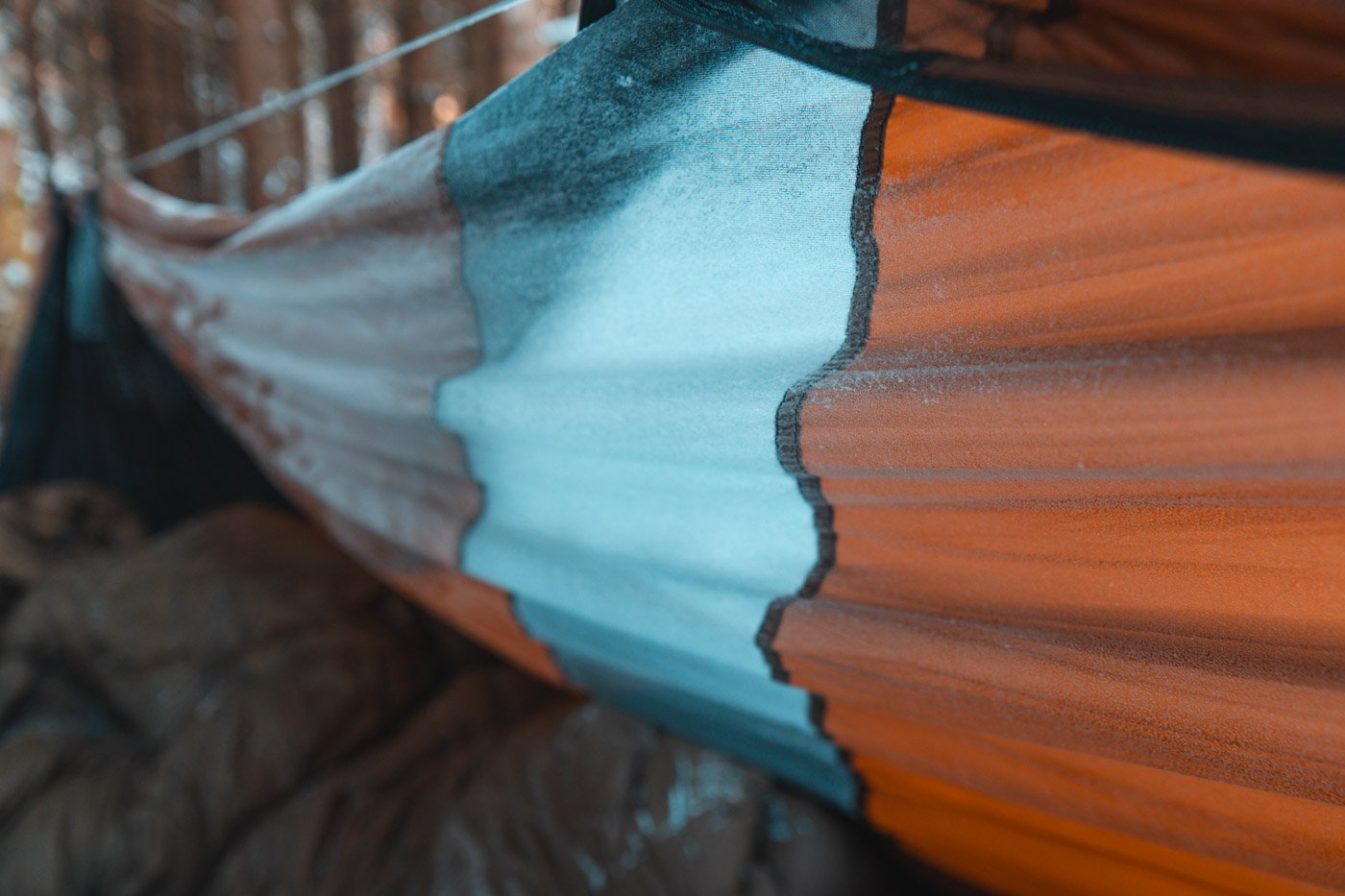
The top cover significantly increased interior warmth. Based on feel, interior temperature likely increased by 10–15°C.
However, condensation accumulated heavily.
Because of extreme cold, moisture froze immediately rather than forming liquid water. In these conditions, frozen condensation was not problematic.
In future setups, slightly venting the top cover would likely reduce frost buildup.
Sleeping Position Surprise
I normally sleep on my side.
That night, during hammock camping at -30°C, I slept entirely on my back — comfortably — for 10 hours.
The system felt stable and supportive enough that I never felt the need to turn.
Morning After -30°C
Clothing was stored inside a sealed bag to prevent freezing.
Boots were not frozen. I used Jeckes APEX 133 sleeping booties:
https://needfortrees.lt/product/sleeping-socks-snakes/
Whether they fully prevented freezing is uncertain, but moisture control likely helped.
I woke up fresh, rested, and warm.
Breakfast. Pack up. Return home.
Biggest Mistakes in Extreme Cold Hammock Camping
From this experience, the biggest risks are:
- Poor insulation layering
- Compressed underquilt loft
- Insufficient food intake
- Dehydration
- Improper quilt tensioning
- Ignoring condensation management
Extreme cold exposes every weakness in your system.
Would I Do It Again?
Yes.
With proper layering, structural insulation, and top cover management, hammock camping at -30°C is controlled and predictable.
With this system, I would confidently attempt even lower temperatures.
Extreme cold is not about toughness.
It is about preparation and system design.